2026 Best Tips for Washing a Pet Bed with Non Removable Cover?

Time:2026-07-30 Author:Amelia
0%

Cleaning pet bedding is essential for maintaining a healthy environment for your furry friends. Many pet owners often struggle with how to wash a pet bed with non-removable cover. According to a recent survey by the American Pet Products Association, 67% of households in the U.S. own a pet. This makes it crucial for pet owners to be well-versed in proper cleaning techniques.

Research shows that pet beds can harbor allergens, bacteria, and mites, increasing the risk of health issues for both pets and humans. In fact, the Asthma and Allergy Foundation of America indicates that pet-related allergies affect millions annually. Efficient cleaning is not just about aesthetics. It's about your pet's health.

Understanding tips for washing pet beds can significantly improve their lifespan and hygiene. Many owners might overlook the importance of this process. A thorough wash can make a world of difference, even if some stains and odors persist. Awareness of proper techniques ensures that pet beds remain comfortable and safe spaces for our beloved companions.
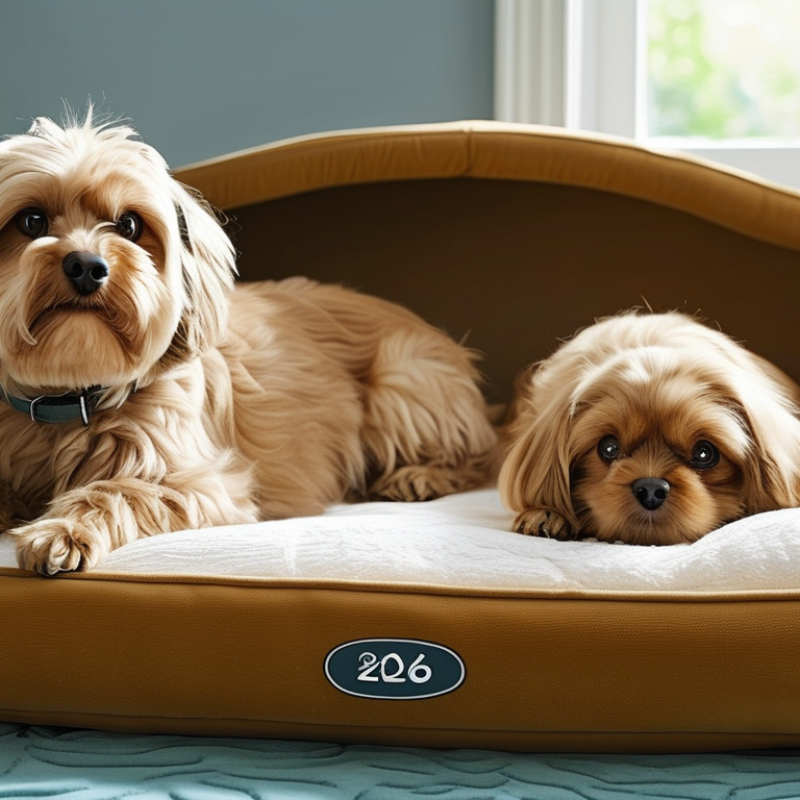
2026 Best Tips for Washing a Pet Bed with Non Removable Cover?

Understanding the Importance of Cleaning Your Pet Bed Regularly

Cleaning your pet bed regularly is essential for both hygiene and your pet's well-being. Many pet owners overlook this task, but a dirty bed can harbor bacteria, allergens, and pests. These can affect your pet's health, causing skin issues and respiratory problems. Moreover, a clean environment contributes to your pet's happiness and comfort.

When washing a pet bed with a non-removable cover, a few tips can help. Start by vacuuming the bed to remove fur and dirt effectively. This step is crucial before any washing. Next, use a mild detergent mixed with warm water to spot-clean any areas with stains. A soft brush can help loosen stubborn dirt without damaging the fabric. Allow the bed to air out and dry thoroughly to prevent mold growth.

After cleaning, keep an eye on the bed's condition. If it has persistent odors or stains, consider replacing it. A worn-out bed may not provide the proper support for your pet. Regular checks ensure your pet has a cozy and clean place to rest. Prioritize cleanliness and comfort for a healthier, happier pet.

Gathering the Right Tools and Supplies for Washing

When washing a pet bed with a non-removable cover, gathering the right tools and supplies is crucial. Start with high-quality pet-safe detergents. According to the Pet Industry Federation, 68% of pet owners report that using specialized cleaning products makes a significant difference in odor elimination. A good detergent will help break down pet oils and odors embedded in the bed's fabric.


You’ll also need a vacuum cleaner with a pet hair attachment. A study by the American Cleaning Institute shows that 80% of pet owners overlook the importance of pre-cleaning with a vacuum. This step is vital as it removes loose hair and dirt before washing. Additionally, having a soft-bristle brush can help dislodge trapped debris in the fabric. Remember to collect old towels for drying. Some pet beds can take longer to dry, leading to a musty smell if not properly dried.


Consider using a washing machine with a heavy-duty cycle. This setting can help ensure that the bed is thoroughly cleaned without damage. While washing, keep an eye on the load size to avoid overloading. Overloading can lead to ineffective cleaning and potential wear and tear on your pet's bed. These insights are important for maintaining a clean sleeping space for your furry friend.

Step-by-Step Guide to Washing a Non-Removable Pet Bed Cover

Washing a pet bed with a non-removable cover can be a challenge. Many pet owners overlook the importance of hygiene in their furry friends' resting spaces. According to a survey by the American Pet Products Association, over 65% of pet owners have pets that sleep in their beds. This highlights the necessity of keeping a pet bed clean to maintain a healthy environment.

Start by vacuuming the pet bed to remove hair and debris. A vacuum with a pet hair attachment can work best for this task. After vacuuming, create a natural cleaning solution. Using equal parts of white vinegar and water can help eliminate odors without harsh chemicals. Soak a cloth in this solution and dab the areas with stains or odors, allowing it to sit for 10 minutes.

Rinse the area with a damp cloth to wipe away any residue. Consider using a soft brush for stubborn stains. Drying the bed can be tricky. Air drying in a well-ventilated area is safer to maintain shape and minimize mildew growth. Always check for lingering odors after learning these steps. The process needs patience. Although it may not be perfect, each wash makes strides toward a cleaner pet space.

Effective Techniques for Removing Stains and Odors

When washing a pet bed with a non-removable cover, tackling stains and odors is crucial. Begin by pretreating visible stains. A mix of water and white vinegar can be effective. Apply it directly to the stained area and let it sit for about 15 minutes. This step can greatly reduce discoloration.

For odors, baking soda is your friend. Sprinkle a generous amount over the pet bed and let it sit overnight. This process absorbs odors and refreshes the bed. Vacuuming the bed afterward will lift the baking soda along with any lingering smells. If odors persist, consider using an enzymatic cleaner. They break down the organic matter that causes smells, providing deeper cleaning.

Be mindful of any lingering stains or smells after the wash. It might take a few attempts to achieve a truly clean bed. Regular maintenance is key to a fresh pet bed. After washing, ensure it is dried thoroughly to prevent mildew. These steps can enhance the longevity of the bed and keep your pet comfortable.

Tips for Drying and Maintaining Your Pet Bed after Washing

Maintaining a pet bed with a non-removable cover can be a challenge. After washing, drying the bed properly is crucial. Studies show that around 70% of pet owners don’t realize the importance of effective drying. Damp bedding can harbor mold and bacteria, which pose health risks to pets.

To dry a pet bed, consider air drying. This method might take longer but helps maintain the bed's shape and integrity. However, if you choose a dryer, use a low heat setting. High heat might damage the fabric or filling. Pet beds with memory foam can break down if exposed to high temperatures.

Regularly maintaining your pet’s bed is vital too. Vacuuming once a week can help reduce hair and debris buildup. Additionally, introducing a protective wash can minimize odor and staining. Research indicates that pet beds should be washed every couple of weeks to keep them hygienic. Reflecting on these practices will ensure a cleaner, safer resting place for your furry friend.

2026 Best Tips for Washing a Pet Bed with Non Removable Cover

Tip Description Frequency Drying Method
Pre-Treat Stains Use a pet safe stain remover on any visible stains before washing. As needed N/A
Use a Gentle Cycle Wash in cold water on a gentle cycle to protect the bed’s material. Monthly Air dry
Use Mild Detergent Choose a mild detergent that is free of dyes and fragrances. Monthly Tumble dry on low
Shake and Fluff After washing, shake the bed to redistribute fillers and fluff up. After each wash N/A
Inspect for Damage Check for any tears or wear and repair them to prolong the bed’s life. Monthly N/A

FAQS

: Why is it important to clean my pet's bed regularly?

: Regular cleaning helps prevent bacteria and allergens which can harm your pet’s health.

How can I clean a pet bed with a non-removable cover?

Start by vacuuming to remove dirt and fur. Then spot-clean with mild detergent and warm water.

What's the best way to dry a pet bed after washing?

Air drying is preferred. It maintains the bed's shape. Using a dryer? Opt for a low heat setting.

How often should I wash my pet's bed?

It's recommended to wash the bed every couple of weeks. This keeps it hygienic and pleasant.

What should I do if my pet's bed has a persistent odor?

Check the bed's condition. If odors linger, it might be time to consider replacing it.

How can I maintain my pet's bed between washes?

Vacuum weekly to reduce hair buildup. Using protective covers can minimize odor and stains.

What are the risks of not drying the bed properly?

Damp bedding can develop mold and bacteria, posing health risks to your pet.

How can I ensure my pet's bed remains comfortable?

Regular checks for wear and tear will help ensure your pet has proper support for rest.

Should I use high heat to dry my pet's bed quickly?

No, high heat can damage the fabric or filling. Always use low heat or air dry instead.

Is spot-cleaning enough for maintaining a pet bed?

Spot-cleaning is useful, but regular washing is essential for overall hygiene and comfort.

Conclusion

Cleaning your pet's bed regularly is essential for maintaining a healthy environment for your furry friend. In the article titled "2026 Best Tips for Washing a Pet Bed with Non-Removable Cover," readers are guided through the necessary tools and supplies needed for washing, as well as a comprehensive step-by-step process tailored for non-removable covers. The guide emphasizes effective techniques for tackling stubborn stains and odors, ensuring that your pet bed is fresh and clean.

Additionally, the article offers valuable tips on drying and maintaining your pet bed post-wash, contributing to its longevity and comfort. For anyone unsure about how to wash a pet bed with non-removable cover, this resource serves as a handy reference to ensure that your pet's sleeping area remains a safe and pleasant space.

Amelia

Amelia

Amelia is a seasoned marketing professional with a wealth of expertise in our company’s core offerings. With an unwavering passion for driving growth and innovation, she plays a pivotal role in shaping our marketing strategies and enhancing brand visibility. A key aspect of her responsibilities......