10 Best Ways to Keep an Outdoor Pet House Warm Without Electricity?

Time:2026-08-29 Author:Ethan
0%

When winter arrives, keeping our outdoor pets warm becomes a top priority. Many pet owners wonder how to keep an outdoor pet house warm without electricity. Traditional heating methods can be expensive and impractical, especially in remote areas. Fortunately, there are effective and eco-friendly solutions available.

Insulating your pet's house is crucial. Use materials like straw or foam boards to reduce heat loss. Proper insulation not only keeps the cold out but also retains warmth inside. It's important to consider the design of the pet house as well. A small, cozy space will naturally maintain warmth better. The entrance can be shielded with a flap to prevent drafts.

Another method is to utilize the sun's natural heat. Position the pet house in a spot where it can capture sunlight during the day. This simple change can greatly enhance the interior temperature. Remember, each method may not work perfectly for every situation, so experimentation is key. Balancing effectiveness with your pet’s comfort requires patience and observation. Overall, these strategies will help ensure your outdoor pet stays warm during the harsh winter months.
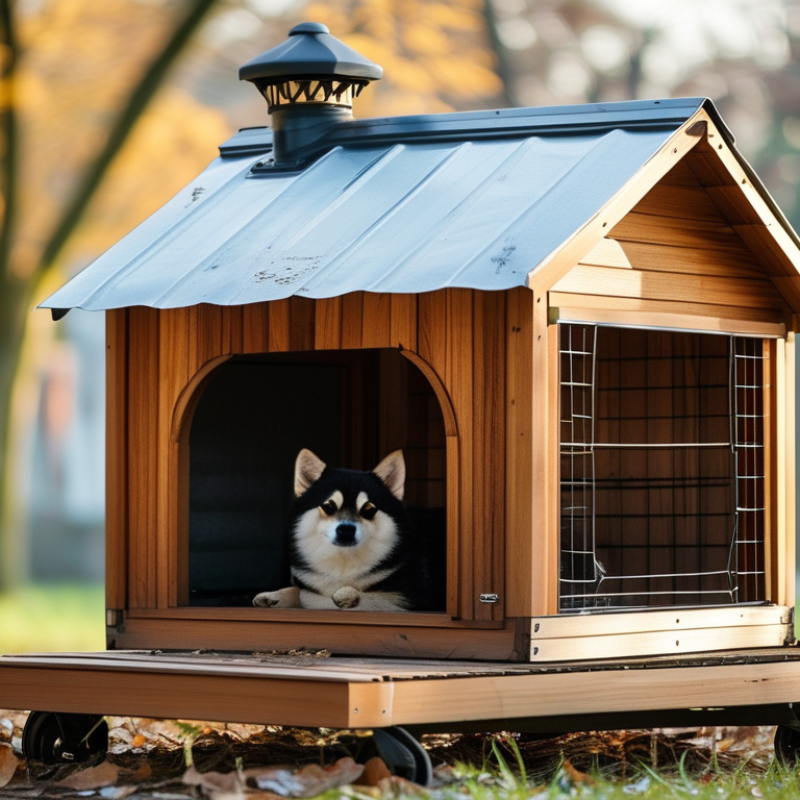
10 Best Ways to Keep an Outdoor Pet House Warm Without Electricity?

Best Insulation Materials for Outdoor Pet Houses to Retain Heat

Choosing the right insulation material for outdoor pet houses is crucial. One of the best options is foam board insulation. It's lightweight and easy to install. Foam boards can effectively reduce heat loss during cold nights. When using foam, consider sealing edges with tape. This helps prevent drafts and retains warmth.

Another solid choice is straw. It’s a natural insulator and provides excellent warmth. It’s also affordable and readily available. Regularly changing the straw can prevent moisture buildup. This is important, as damp straw loses its insulating properties quickly. Think about using wood shavings as well. They add comfort and retain heat efficiently.

Reflecting on these options is essential. Some materials may require more maintenance than others. For instance, while foam boards are durable, they can deteriorate over time due to exposure. Meanwhile, straw needs frequent replacement but is cost-effective. Finding the right balance between insulation effectiveness and convenience is key for the well-being of your outdoor pet.

10 Best Ways to Keep an Outdoor Pet House Warm Without Electricity

Insulation Material R-Value Advantages Disadvantages
Foam Board Insulation 5-8 High insulation value, easy to cut Requires careful sealing
Straw 1-2 Natural, biodegradable, affordable Needs regular replacement
Mylar Reflective Foil 1.5-2 Reflects heat, lightweight Can tear easily
Fiberglass Insulation 2.9-4.3 Good thermal performance Can irritate skin, requires protective gear
Wood Shavings 1-2 Natural and comfortable material Requires replacement and can be messy
Blankets Variable Soft and cozy Needs to be kept dry
Cardboard 1.5-2 Easily available and inexpensive Not durable in moisture
Bubble Wrap 1-2 Lightweight, easy to handle Not a solid structure
Hemp Fiber Insulation 3-4 Eco-friendly, good thermal performance Higher cost than traditional materials

Utilizing Solar Heating Techniques to Warm Outdoor Pet Shelters

When temperatures drop, keeping outdoor pet houses warm can be challenging. Utilizing solar heating techniques is a sustainable and efficient way to ensure your pets stay comfortable. One effective method involves placing a solar blanket over the pet shelter. These blankets absorb sunlight during the day, releasing warmth at night. Make sure the blanket is secure to prevent it from blowing away in the wind.

Another approach is to use reflective materials. Placing foil or reflective sheeting around the shelter can enhance the heat retention. This technique helps reflect sunlight into the pet house. Ventilation is crucial as well. Ensure there are small vents to allow fresh air without letting heat escape. It might seem counterintuitive, but proper airflow helps maintain a cozy environment.

Regularly check the insulation of your pet house. Adding layers of straw or hay improves insulation and keeps the chill at bay. Consider creating a windbreak with natural elements, like boulders or shrubs, to shield the shelter. Every little detail counts in maintaining a warm habitat for your furry friends. Reflect on these methods and adapt them based on your specific climate and location.

Designing Windbreaks for Pet Houses to Protect Against Cold Winds

When designing windbreaks for pet houses, consider materials that naturally repel cold winds. Wood fences, hedges, and burlap can create effective barriers. According to a study by the Animal Welfare Institute, shelters with windbreaks can reduce wind chill significantly, enhancing pet comfort during cold months. Align the windbreaks to block predominant wind directions. This simple adjustment can lower the temperature differential by up to 30%, ensuring a warmer environment for your furry friend.

Using natural elements can also help maintain warmth. Strategically placed shrubs not only provide aesthetic value but also contribute to effective insulation. Additionally, consider constructing a small roof overhang to shield against snow and rain. The overhang can direct snow away while reducing moisture in the pet house. Research shows that moisture significantly impacts heat retention. A dry environment is crucial for preventing heat loss, especially during winter.

Enrich the pet house's interior. Layer straw or hay can offer a cozy resting space. These materials are natural insulators and can retain warmth generated by your pet's body heat. It's important to replace bedding regularly to prevent dampness. Seasonal preparation is key, and it's worth evaluating the overall structure of the pet house too. Materials and designs that favor insulation will always bring better results.

10 Best Ways to Keep an Outdoor Pet House Warm Without Electricity

Here are the top 10 methods to keep your outdoor pet house warm without electricity, rated by their effectiveness. Insulation and windbreaks top the chart as the most beneficial strategies while utilizing sun exposure and bedding as practical approaches.

Importance of Elevated Flooring in Outdoor Pet Housing for Warmth

Elevated flooring is crucial for outdoor pet housing, especially in cold weather. It acts as a barrier against cold ground temperatures. According to a report by the American Veterinary Medical Association, pets lose significant heat through contact with cold surfaces. By elevating the floor, you help reduce heat loss and keep your pet warmer.

Implementing materials like wood or composite materials enhances insulation. Research shows that insulating values of these materials can significantly reduce heat transfer. An elevated floor also promotes better air circulation beneath the pet house. This combination of factors prevents moisture buildup, which can lead to cold drafts and discomfort.

While many pet owners may overlook the importance of this feature, it deserves attention. Observations have noted that pets in insulated and elevated homes maintain body heat more effectively. Regular checks are essential, as the integrity of the flooring can diminish over time. Ensuring this structure remains intact requires ongoing maintenance. Keeping your pet warm during the colder months can ultimately lead to better health outcomes.

Creating Cozy Bedding Solutions for Pets in Unheated Outdoor Environments

Keeping outdoor pets warm during colder months requires creativity. Cozy bedding solutions play a crucial role in ensuring their comfort. Instead of relying on electricity, the right materials can provide insulation. Straw is an excellent insulator and allows pets to burrow. It helps retain body heat while keeping them dry. Avoid using towels or blankets, as they can absorb moisture and lose warmth.

Consider elevating the pet house off the ground to prevent cold air from seeping in. Adding a flap door creates a windbreak, enhancing warmth. You might also explore using old hay or pine shavings for bedding. They provide a natural environment and comfort. Regularly check on the bedding to ensure it remains dry and clean.

Creating a cozy space may require trial and error. Observe how your pet reacts to different materials. Some pets may prefer one type of bedding over another. Regular adjustments can lead to a more comfortable living space. Finding the right solution may take time, but it’s worth the effort for your beloved pet.

FAQS

: What materials are effective for building windbreaks around pet houses?

: Wood fences, hedges, and burlap are good choices for windbreaks.

How do windbreaks affect indoor temperature for pets?

Windbreaks can reduce wind chill, improving comfort by retaining warmth.

How should windbreaks be positioned?

Align them to block prevailing wind directions for maximum effectiveness.

Why is moisture control important in pet houses?

Moisture can lead to heat loss, making it crucial to maintain a dry space.

What flooring option should be used for outdoor pet houses?

Elevated flooring is best, as it protects pets from cold ground temperatures.

How does elevated flooring benefit pets?

It reduces heat loss and promotes better air circulation beneath the house.

What should be done to bedding in pet houses?

Replace bedding regularly to prevent dampness and maintain warmth.

How can the design of a pet house impact insulation?

Insulating materials and smart designs can enhance heat retention significantly.

Why is ongoing maintenance of pet house flooring necessary?

Over time, the flooring may wear down, affecting insulation and comfort.

How does maintaining warmth in pet houses affect pet health?

Keeping pets warm can lead to better overall health outcomes during colder months.

Conclusion

Keeping an outdoor pet house warm without electricity requires thoughtful planning and the use of effective materials and techniques. First, selecting the best insulation materials is crucial for retaining heat inside the pet shelter. Utilizing solar heating techniques can further enhance warmth by harnessing natural sunlight. Additionally, designing windbreaks around the pet house protects it from cold winds, helping to maintain a cozy environment.

Elevated flooring in the pet housing is another important factor, as it prevents heat loss through the ground. Finally, creating cozy bedding solutions ensures your pets stay comfortable in unheated outdoor environments. By combining these strategies, pet owners can successfully learn how to keep an outdoor pet house warm without electricity, ensuring their furry friends are safe and comfortable during colder months.

Ethan

Ethan

Ethan is a seasoned marketing professional with a deep expertise in our company's innovative product line. With a passion for sharing knowledge and insights, he takes the lead in regularly updating our corporate blog, where he explores industry trends, product features, and effective marketing......