How to Choose the Safest Material for Pet Toys?

Time:2026-06-22 Author:Aria
0%

When considering pet toys, safety is a top priority. Choosing the right material can prevent accidents and health issues. Dr. Jane Smith, a well-known veterinarian and pet safety expert, emphasizes the importance of material choice: "Understanding what is the safest material for pet toys is vital for every pet owner."

Pet toys are often made from various materials, such as rubber, plastic, and fabric. Each material carries its own risks. For instance, some plastics may contain harmful chemicals. It's essential to research and select toys that are non-toxic and durable.

Many pet owners wonder, "What is the safest material for pet toys?" The answer varies depending on the pet's needs. Natural rubber and organic cotton are popular choices. However, some pets may have allergies or preferences that make these unsuitable. Always supervise pets during playtime to ensure their safety. Reflecting on these factors can lead to safer, happier playtime for your furry friends.
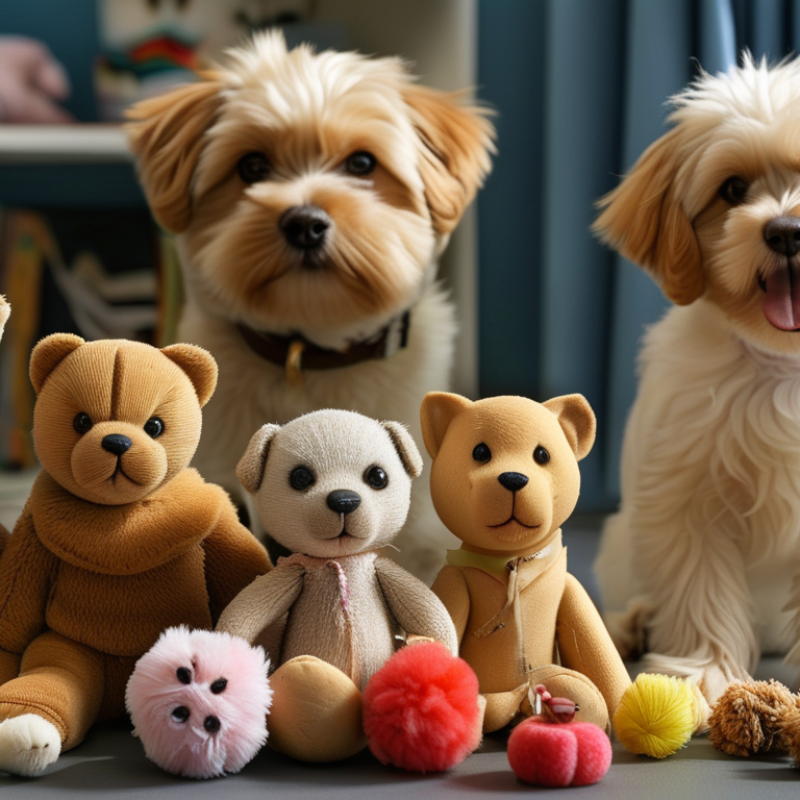
How to Choose the Safest Material for Pet Toys?

Understanding the Importance of Safe Pet Toys for Your Pets

Choosing safe materials for pet toys is essential for the health and happiness of our furry friends. Statistics show that around 10% of pets experience health issues due to unsafe toys. This raises concerns for pet owners. Recognizing what materials are safe can prevent adverse health effects.

Common materials such as rubber, fabric, and wood are popular choices. Yet, not all rubber is created equal. Some types can contain harmful chemicals that may be toxic to pets. A study by the American Society for the Prevention of Cruelty to Animals (ASPCA) found that many cheap toys contain these dangerous substances. Thus, understanding the source and quality of materials is crucial.

Pet owners should be vigilant. Conducting research on safety standards can make a difference. For instance, choosing toys that meet ASTM F963 standards can ensure better safety. Nonetheless, pet owners can struggle to find reliable information about toy safety. Often, product labels can be misleading or insufficient. Being proactive and informed can lead to more secure choices for our pets.

Common Materials Used in Pet Toys and Their Safety Ratings

When choosing the safest material for pet toys, it's crucial to understand common materials and their safety ratings. Many toys are made from rubber, plush fabrics, or hard plastics. Each material has its own benefits and risks.

Rubber toys, for instance, are durable and often safe for chewing. However, they can chip, posing a choking hazard. Soft plush toys may be comforting for pets but can break down quickly. This leaves stuffing and small pieces that can be swallowed. Hard plastic toys can provide stimulation, yet they can splinter over time.

Pet owners should also consider the safety certifications of materials. Not all toys are created equal. Some may contain harmful chemicals. A toy labeled as non-toxic is not always free from all risks. Regular inspections of toys can help ensure they remain safe for use. If a toy shows signs of wear, it’s wise to replace it. Making informed choices keeps pets happy and healthy.

Evaluating the Toxicity of Chemicals in Pet Toy Materials

Choosing the safest materials for pet toys is crucial for your furry friends. Many pet toys contain chemicals that can be harmful. Potential toxins include heavy metals, phthalates, and bisphenol A (BPA). These substances can pose health risks to pets, leading to problems like hormone disruption or even cancer. The American Society for the Prevention of Cruelty to Animals (ASPCA) advocates for the use of safe, non-toxic materials in pet products.

When selecting toys, consider using options made from natural rubber, organic cotton, or recycled materials. Avoid plastic toys with unclear chemical compositions, as they often contain additives that are not pet-friendly. Always check for certifications, like the ASTM International standards for toy safety.

Tips: Look for labels that mention non-toxic or eco-friendly materials. Furthermore, regular inspection of toys is important, as wear and tear can reveal hidden dangers. Remove any damaged toys immediately to prevent ingestion of harmful components. It's essential to stay informed about the latest safety guidelines to ensure your pet's health. The World Health Organization (WHO) suggests being vigilant about the origins and manufacturing processes of pet toy materials.

Choosing Non-Toxic and Durable Materials for Pet Toys

When selecting materials for pet toys, focus on non-toxic and durable options. Pets often chew on toys, so it’s critical to choose safe substances. Look for materials like natural rubber and organic cotton. These are not only durable but also safe for pets. Always check for certifications that indicate non-toxicity.

Toxic materials can cause serious health issues. Some plastics contain harmful chemicals that can leach into your pet’s system. Avoid toys made from PVC or phthalates. Instead, opt for products made from recycled materials, which can be both sturdy and safe. It’s worth noting that not all “safe” materials are created equal.

**Tip:** Before buying, research the manufacturer’s sourcing and production methods.

Consider your pet's behavior. A heavy chewer requires tougher materials to withstand wear. Soft toys may not be ideal for such pets. Additionally, watch for any signs of wear and tear. A pet toy should not break down easily, as small pieces can be a choking hazard.

**Tip:** Regularly inspect your pet's toys for damage or wear.

Remember that while durable toys last longer, they still need monitoring. Reflect on your pet’s preferences. Understanding their chewing habits can help you make more informed choices. Finding the right balance of safety and durability is essential for your pet’s health.

How to Choose the Safest Material for Pet Toys?

Material Type Toxicity Durability Ease of Cleaning Eco-Friendliness
Natural Rubber Non-Toxic High Easy Biodegradable
Cotton Non-Toxic Medium Moderate Organic Available
Bamboo Non-Toxic High Easy Highly Eco-Friendly
Nylon Potentially Toxic Very High Easy Non-Biodegradable
Vinyl Potentially Toxic Medium Moderate Non-Biodegradable

Tips for Regularly Inspecting and Maintaining Pet Toys for Safety

Regular inspection and maintenance of pet toys are crucial for ensuring the safety of your furry friends. Always check for wear and tear. Look for frayed edges, loose parts, or holes. These can present choking hazards or cause injuries. If a toy is damaged beyond repair, it’s best to dispose of it. Pets often chew on toys repeatedly, which can weaken the material over time.

Consider setting a routine for these inspections. Weekly checks might be beneficial for frequently used toys. Additionally, keep an eye on your pet’s reaction to their toys. If they show signs of discomfort or refuse to play, it may indicate a safety issue. Remember, not all toys are created equal, and materials can degrade faster than expected.

Pay attention to how your pets interact with different toys. Some materials may not hold up as well under aggressive chewing. Lastly, consider the cleaning process. Some toys need regular cleaning to remove dirt or bacteria. If a toy can’t withstand soap and water, it might not be the safest option. Regular maintenance can prevent unforeseen accidents and ensure that playtime remains fun and safe.

Pet Toy Material Safety Comparison

This chart displays the safety ratings of different materials used in pet toys. Higher ratings indicate safer materials for pets.

FAQS

: Why is it important to choose safe materials for pet toys?

: Safe materials prevent harmful chemical exposure. Toxins can lead to serious health risks in pets.

What types of materials are recommended for pet toys?

Opt for natural rubber, organic cotton, or recycled materials. These options are often safe and durable.

How can I identify non-toxic pet toys?

Look for certifications like ASTM International standards. Labels indicating non-toxic or eco-friendly materials are helpful too.

Why should I avoid plastic toys?

Plastic toys may contain harmful additives that are not safe for pets. Always check their chemical composition.

What should I do if I find damaged toys?

Remove damaged toys immediately. They can pose ingestion hazards and harm your pet.

How often should I inspect pet toys?

Regular inspections are essential. Look for wear and tear to avoid hidden dangers that could affect your pet's health.

What if my pet is a heavy chewer?

Choose tougher materials for heavy chewers. Soft toys may not withstand their chewing habits.

Are recycled materials safe for pet toys?

Yes, recycled materials can be sturdy and safe. Always research before purchasing to ensure safety standards are met.

Can toxic materials really cause health problems?

Yes, exposure to toxic materials can disrupt hormones and cause serious issues, even cancer, in pets.

How does my pet's behavior affect toy selection?

Understanding your pet's chewing habits helps you pick the right toys. This ensures safety and durability in play.

Conclusion

When considering what is the safest material for pet toys, it is essential to understand the significance of providing safe options for our furry friends. Pet toys can significantly affect your pet's health, and choosing materials that prioritize safety is crucial. Common materials, such as rubber, fabric, and plastic, vary in their safety ratings, so it’s important to evaluate the toxicity of any chemicals involved.

Opting for non-toxic and durable materials not only ensures the safety of the toy but also its longevity. Regular inspection and maintenance of pet toys are vital to prevent the risk of wear and tear that might expose your pet to harmful substances. By staying informed and proactive, pet owners can confidently choose toys that will keep their pets happy and safe.

Aria

Aria

Aria is a dedicated marketing professional with a deep passion for innovative strategies and a keen understanding of our company's product offerings. With a wealth of experience in the industry, Aria excels at crafting engaging content that highlights the unique features and benefits of our......