An anxious dog does not experience a bed as simple furniture. It can become a retreat from footsteps, visitors, bright lights, or sudden household noise. The right design may help your dog settle, sleep, and recover after stressful moments. However, comfort is personal. A bed that calms one terrier may frustrate another.
This guide explains how to choose a calming pet bed for anxious dogs through seven practical considerations. We will examine supportive materials, raised edges, washable covers, temperature control, and correct sizing. We will also consider placement, because even the softest bed may fail beside a washing machine or busy doorway. Look for durable stitching, non-slip fabric, and filling that keeps its shape after repeated use. A flattened cushion offers little support.
Small details matter. Watch how your dog rests at home. Does your dog curl tightly, press against furniture, or stretch across the floor? Those habits reveal useful clues. A nervous dog may prefer a covered cave, while another may feel trapped inside it. There is no perfect bed for every temperament. I have seen owners focus on thick padding and overlook heat, cleaning, or access. That mistake is easy to make. A reliable choice combines your observations with product specifications and veterinary guidance when anxiety affects eating, sleep, or daily behavior. These tips will help you compare options carefully, without treating a new bed as a complete solution.
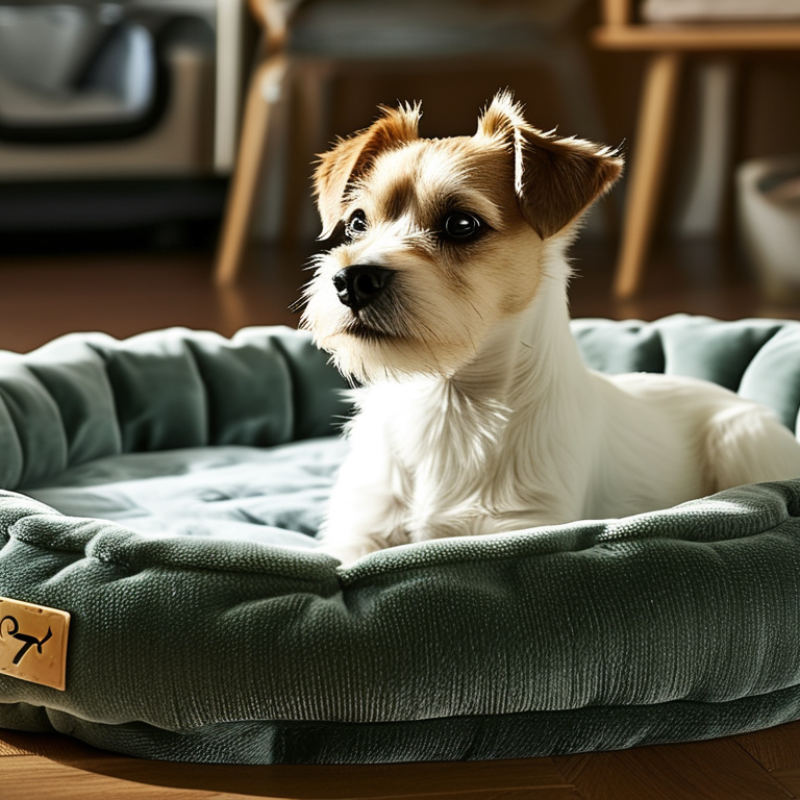
Anxiety can turn ordinary sleep into a restless cycle. A nervous dog may pace, pant, tremble, or wake at every sound. Stress hormones can keep the body alert when it needs recovery. Poor sleep may then increase irritability, clinginess, and sensitivity the next day. Veterinary behavior professionals often assess pain, noise sensitivity, separation distress, and medical causes before labeling anxiety. The bed matters, but it is not a complete treatment.
Choose a calming bed with enough room for stretching and turning. Firm, even support can help older dogs settle their joints. Raised edges may create a sheltered feeling. A washable cover is practical after accidents or heavy drooling. Look for a non-slip base, especially on smooth floors. Soft fabric can help, but excessive heat may disturb sleep. Place the bed away from doorways, loud appliances, and busy walkways. Quiet placement matters.
Watch what your dog actually does. A thick bed may look comforting but feel unstable or warm. One dog may curl into a covered nook; another may panic when enclosed. I would not assume that deeper cushioning always works. Try the bed during calm daytime hours, then observe breathing, posture, and sleep interruptions. Keep lighting gentle and maintain a predictable evening routine. If anxiety persists, appetite changes, or sleep remains severely disrupted, consult a veterinarian or qualified behavior professional. Even careful choices can miss the real cause.
A calming bed begins with accurate sizing, not attractive padding. Measure from the nose to the tail base, then add 15–20 centimeters. Measure the dog.
For anxious dogs, the shape should match sleeping behavior. A curled sleeper may settle better in a round, raised-edge bed. A dog that stretches needs a flat, rectangular surface. Watch the shoulders and hips when the dog lies down. They should remain fully supported, without spilling over the edge. The bed should also allow easy entry for older dogs or dogs with joint stiffness. The Association for Pet Obesity Prevention reported that 59% of surveyed dogs were overweight or obese in 2022. Therefore, measure the dog’s current body, not an ideal weight. Recheck after weight changes.
Support matters more than extreme softness. A stable, resilient base can reduce sinking and help a dog change position. Veterinary guidance should influence choices for arthritis, injury, or neurological problems. The 2023 AAHA Canine Life Stage Guidelines emphasize individualized care across age and health conditions. That principle applies here. A thick bed is not automatically supportive; some dogs struggle to stand from deep foam. I would test the bed for several nights, watching whether the dog circles, pants, or avoids it. No bed is perfect. Anxiety can also come from noise, pain, or separation. The American Pet Products Association counted 65.1 million U.S. dog-owning households in its 2023–2024 survey, but household trends cannot replace observation of one dog’s posture and habits.
| Tip | Selection Dimension | Practical Measurement or Feature | Recommended Choice | Why It Matters for Anxious Dogs | Important Check |
|---|---|---|---|---|---|
| 1 | Choose the Correct Bed Size | Measure the dog from nose to the base of the tail while relaxed, then add approximately 10–15 cm (4–6 in) for stretching room. | Select a sleeping surface that allows the dog to lie fully extended or curl comfortably without hanging over the edges. | A bed that is too small can restrict movement, while excessive unused space may feel less secure for dogs that prefer close boundaries. | Check the interior sleeping area rather than the overall outside dimensions, especially when the bed has thick bolsters. |
| 2 | Match the Shape to Sleeping Style | Observe whether the dog usually curls up, sprawls, leans, or changes position frequently during rest. | Choose a round or oval nest-style bed for curlers; choose a rectangular mattress for stretchers; choose a bolster design for dogs that like to lean. | Familiar positioning and supportive boundaries can make the resting area feel more predictable and comfortable. | Do not assume a raised rim is suitable for every dog; some dogs sleep better on a flat, unobstructed surface. |
| 3 | Prioritize Even Sleeping Support | Look for a stable, resilient fill that cushions pressure points without allowing the dog’s body to sink directly onto the floor. | Use a thicker supportive base for large, older, thin-coated, or mobility-limited dogs; a moderate cushion may suit healthy small dogs. | Consistent support can improve comfort during longer rest periods and may reduce pressure on joints and elbows. | The bed should recover its shape after use and should not remain permanently compressed in the center. |
| 4 | Use Comforting Boundaries Carefully | Consider a softly raised edge or enclosed design if the dog naturally rests against furniture, walls, or another object. | Choose low, padded bolsters that provide a sense of enclosure while still allowing easy entry and exit. | Gentle boundaries may help some dogs settle by creating a defined resting zone and reducing visual exposure from multiple directions. | Avoid high or stiff sides for puppies, senior dogs, or dogs with weakness, pain, or difficulty stepping over barriers. |
| 5 | Select a Low-Stimulation Location and Base | Place the bed away from busy walkways, loud appliances, direct drafts, and sudden temperature changes. | Use a non-slip bottom on hard flooring and position the bed where the dog can rest without being isolated from the household. | A predictable, quiet location can reduce unnecessary interruptions while preserving the dog’s access to familiar people. | Make sure the bed does not block doors, stairs, heating vents, or other areas needed for safe movement. |
| 6 | Choose Washable, Low-Odor Materials | Prefer a removable cover with a secure closure and laundering instructions that match the household’s cleaning routine. | Use breathable, durable fabric with a washable cover; select moisture-resistant layers when accidents or drooling are common. | Clean bedding helps control odors and allergens, while familiar scent retention can make gradual bed introduction easier. | Avoid strong chemical odors, loose threads, exposed filling, or materials that become excessively hot during use. |
| 7 | Evaluate Fit, Safety, and Acceptance | Observe the dog using the bed for several days and check posture, breathing comfort, temperature, and willingness to enter. | Keep the bed if the dog can enter, turn, lie down, rise, and leave comfortably without slipping or becoming trapped. | Individual preference is important: a technically supportive bed will not calm a dog that avoids its texture, heat, smell, or shape. | Introduce the bed gradually with praise or treats; consult a veterinarian if anxiety is sudden, severe, or accompanied by pain or behavior changes. |
A calming bed should feel predictable, not merely soft. APPA’s 2023–2024 National Pet Owners Survey reports that 66% of U.S. households own a pet, increasing interest in comfort-focused products.
For anxious dogs, choose supportive foam with gentle pressure relief. Memory foam can cushion older joints, but it may retain heat. A breathable cotton-blend cover can improve airflow.
Avoid loose threads, strong odors, and noisy, crinkly fabrics. Some advice is less certain. Material preferences vary widely between dogs.
The cover should unzip easily and survive frequent washing. AAHA’s canine care guidance emphasizes clean, low-stress environments, which makes washable covers practical rather than decorative. Choose a quiet zipper and a non-slip underside.
A familiar blanket can add reassurance without trapping excessive warmth. Temperature control needs restraint. Cooling gel may help during warm weather, while thick fleece suits cold rooms.
Heated beds require careful supervision, especially for dogs with reduced sensation or mobility. The U.S. National Oceanic and Atmospheric Administration reports that heat risks increase during unusually warm conditions, so indoor airflow matters too.
Watch for panting, repeated position changes, or avoidance of the bed. The bed may be wrong. Or the anxiety may need veterinary assessment.
An anxious dog needs a bed that feels predictable, secure, and easy to inspect. Check the sleeping area for loose threads, exposed zippers, sharp edges, and unstable seams. Choose filling that keeps its shape without becoming hard or lumpy. A firm, non-slip base can prevent sliding when a nervous dog circles or suddenly stands. The bed should fit the dog’s full body, with enough room to stretch and turn. Too much empty space may feel less comforting. A washable cover matters more than decorative fabric. I once underestimated how quickly fur and drool collect around seams.
Cleanliness affects both comfort and health. Look for a removable cover with sturdy stitching and clear washing instructions. Breathable fabric can reduce trapped heat and damp odors. Avoid materials that hold moisture after minor accidents. Check whether the inner cushion can be wiped, aired, or washed safely. Strong perfumes may seem helpful, but they can irritate sensitive noses. Keep the bed away from leaking bowls, dusty corners, and direct heaters.
Durability deserves a hands-on test. Press the cushion, pull the cover gently, and inspect the underside for weak points. A quality bed should recover after daily use without collapsing quickly. Maintenance should not require complicated tools or special cleaners. Wash the cover regularly, then dry it completely before use. Examine it weekly for damage, especially if your dog chews when distressed. Veterinary guidance can help when anxiety includes destructive chewing, skin irritation, or sleep changes. My judgment can still be imperfect; a dog’s behavior may reveal problems that a product label misses.
A practical 100-point screening framework for evaluating safety, cleanliness, durability, comfort, and maintenance.
Prioritize a supportive fit, secure materials, a washable cover, and reliable construction. The percentages represent a transparent comparison rubric rather than clinical measurements; use them to compare beds consistently and adjust the priorities to your dog's age, size, mobility, and anxiety triggers.
An anxious dog needs a bed that fits daily behavior, not just body size. Observe where your dog settles after loud noises, visitors, or long walks. A corner-loving dog may prefer raised sides and a sheltered shape. A dog that watches the room may feel safer on an open, low-profile cushion. Measure your dog while fully stretched, then add several inches for movement. Too much space can feel exposed.
Choose soft, washable fabric if your dog licks, sheds, or has occasional accidents. A removable cover makes cleaning less stressful for everyone. Check the filling carefully, especially if your dog chews. Loose pieces can become dangerous. The bed should stay stable when your dog circles or digs. A non-slip base helps on wood or tile floors. Consider heat, too. Thick padding may feel comforting in winter but uncomfortable near a radiator.
Place the bed where your dog already seeks comfort, such as beside your desk or away from busy hallways. Avoid forcing your dog onto it. Reward quiet exploration with calm praise, then allow an easy exit. Veterinary behavior professionals often recommend pairing a safe resting area with predictable routines. A bed cannot treat serious anxiety alone. Sudden fear, destructive behavior, or appetite changes deserve veterinary advice. The perfect choice may require revision. Observe, adjust, and be patient.
: Anxiety may cause pacing, panting, trembling, and waking at small sounds. Poor sleep can increase clinginess the next day. Not every restless night means anxiety.
Measure from the nose to the tail base, then add 15–20 centimeters. The dog should stretch, turn, and keep its shoulders supported. Measure the current body.
Round beds with raised edges may suit dogs that curl tightly. Flat rectangular beds suit dogs that stretch out. Watch real sleeping behavior, not appearance.
No. A stable, resilient base may support movement and reduce sinking. Deep foam can make standing difficult, especially for older dogs. I might overvalue softness sometimes.
Choose a washable cover, non-slip base, and easy entry. Soft fabric can feel pleasant, but excess warmth may interrupt sleep. Small details matter.
Keep it away from doorways, appliances, and busy walkways. Gentle lighting and a predictable evening routine may help. Quiet placement matters.
Introduce it during calm daytime hours. Watch breathing, posture, circling, panting, and sleep interruptions for several nights. A thick bed may look comforting but feel unstable.
Consult a veterinarian or qualified behavior professional if anxiety persists, appetite changes, or sleep remains severely disrupted. Pain, noise sensitivity, separation distress, and medical causes may be involved. The bed is not a complete treatment.
Choosing the right bed can make a meaningful difference in an anxious dog’s sleep, comfort, and sense of security. This guide explains how to choose a calming pet bed for anxious dogs by first understanding how anxiety affects rest and behavior. It covers how to select the proper size and shape, provide supportive cushioning for joints and muscles, and choose calming materials, soft covers, and temperature control features that help your dog relax without overheating.
The guide also highlights practical factors such as safety, cleanliness, durability, and easy maintenance. A suitable bed should be stable, free from hazardous parts, simple to wash, and strong enough for daily use. Finally, the best choice should match your dog’s sleeping habits and your home environment, whether your pet prefers curling up, stretching out, burrowing, or resting in a quiet corner.

Wilsons Pets