When considering the question, "why does my dog digest plush toys so fast," pet owners often feel confused and concerned. Dr. Emma Carter, a veterinary behaviorist, has emphasized that dogs might view plush toys as prey. She states, “Dogs often destroy what they see as toys, driven by instinct and boredom.” This insight sheds light on why some dogs quickly tear apart their plush companions.
Many dogs have strong chewing instincts. This behavior can lead them to swallow pieces of toys rapidly. It's essential to recognize that each dog's chewing habits differ based on breed and personality. Some pups enjoy tearing toys apart, while others prefer gentle play. Observing your dog’s behavior will help you understand their toy preferences.
Pet parents should reflect on how they provide toys. Are they engaging enough? Are there enough options? Toys that don't suit your dog's play style can lead to destructive behaviors. By choosing the right toys, you can minimize the risk of rapid digestion. Remember, understanding why your dog digests plush toys quickly is a step toward better care and safety.
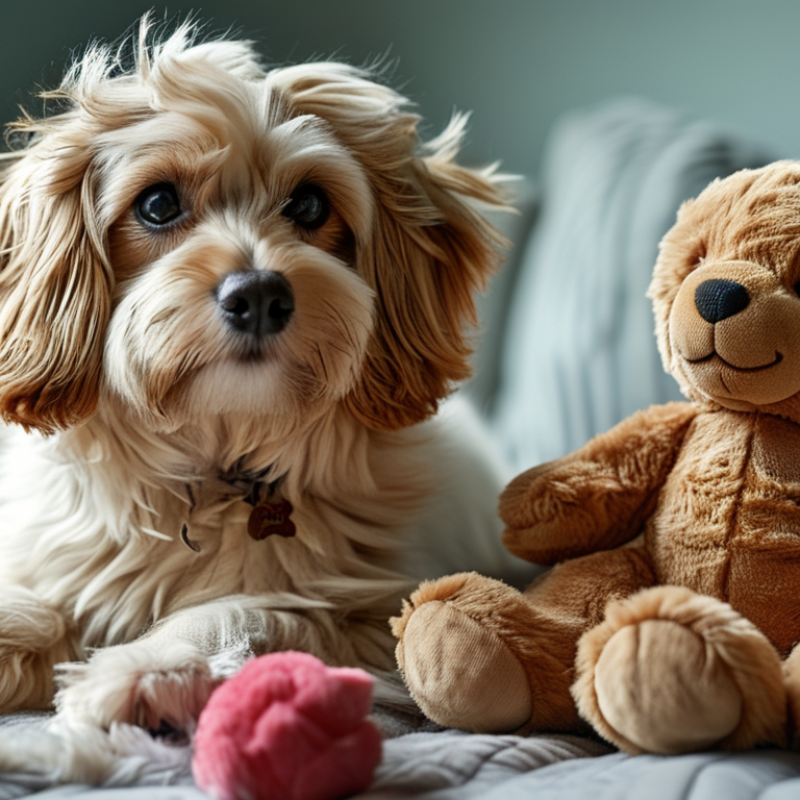
Understanding the natural instincts of dogs reveals why many dogs quickly digest plush toys. Dogs are naturally inclined to chew. This behavior mimics their wild ancestors who chewed bones for nutrition. According to a study from the Journal of Veterinary Behavior, 78% of dogs exhibit destructive chewing tendencies. It’s important to recognize that this behavior is not solely for enjoyment; it’s also linked to their instinctive needs.
Chewing serves multiple purposes. It helps clean teeth and relieve anxiety. The material of plush toys can feel satisfying to chew. However, dogs might mistakenly ingest parts of these toys. Research indicates that 20% of dog owners have faced instances where their pets swallowed toy pieces. This can lead to serious health issues. Monitoring chewing habits is crucial, though it can be challenging. Dogs often engage in relentless chewing when bored or anxious. Providing appropriate chew toys can mitigate these behaviors.
Understanding your dog's chewing tendencies is key. Frequent replacement of plush toys may be necessary. Not all dogs will be able to enjoy softer materials safely. Seeking alternatives, like rubber toys, can enrich their experience. Your dog's safety should be the priority, and recognizing their instincts can guide you in choosing the right toys. An informed dog owner contributes significantly to their pet's well-being.
Many dog owners wonder why their pets digest plush toys quickly. Understanding common reasons can provide clarity. Dogs, being natural chewers, often find comfort in the texture of plush toys. The soft material appeals to their instinctual behavior. They love to tear and dissect, mimicking hunting practices. This can lead to swifter consumption than expected.
Anxiety and boredom play significant roles. A dog that feels stressed or lacks stimulation may focus on plush toys as an outlet. Chewing may seem like a fun activity to them, but it can result in accidental ingestion. Monitoring their behavior is essential. Not all dogs are the same. Some may be more prone to gulping down toys than others, causing concern.
It's important to recognize that even the most conscientious dog owner can overlook signs of distress or boredom. A dog may seem engaged, but their rapid consumption can point to deeper issues. Regularly assessing their mental and physical needs can help prevent situations where they digest toys too quickly. Observing your dog during playtime can reveal whether they are truly enjoying themselves or just getting into trouble.
Many dog owners find it concerning when their pets quickly digest plush toys. The risks associated with this behavior can be serious. Plush toys often contain materials that are not safe for dogs to ingest. Stuffing, plastic eyes, and small components can lead to choking or digestive blockages. These situations can escalate quickly and may require emergency medical attention.
Additionally, when dogs consume these toys, they may experience gastrointestinal issues. Symptoms like vomiting, diarrhea, or lethargy can occur. A dog’s digestive system is not designed for such foreign objects. The aftermath can be distressing for both the pet and the owner. It’s important to monitor your dog and seek help if they show signs of discomfort.
Choosing safer alternatives is essential. There are plush toys specifically designed to be more durable and non-toxic. However, even with these options, closely observing your dog during playtime is crucial. Encouraging your pet to engage with toys in a safe manner can reduce risks. Understanding how behaviors develop is vital for responsible pet ownership.
Preventing your dog from ingesting plush toys is crucial for their safety. Many dogs love to chew and tear apart toys. This natural behavior can lead to serious health issues. It's essential to choose durable toys made for heavy chewers. Look for ones designed specifically for strong jaws.
Supervising your dog during playtime can make a significant difference. Watch closely to see if they start to tear their toy apart. If you notice any broken pieces, take the toy away immediately. It’s a small change that could prevent a larger problem. Sometimes, you might think your dog is just playing, but they could be ingesting small bits unknowingly.
Offering safer alternatives can help, too. Consider interactive toys that stimulate your dog mentally. They can keep your pet busy and distracted from destroying softer toys. It’s okay to have plush toys, but be aware of their condition. Regularly inspecting these toys can help you catch potential hazards early. A proactive approach will ensure your dog remains healthy and happy.
Dogs often love to chew on plush toys, but they can digest them alarmingly fast. To address this issue, it’s vital to provide engaging alternatives that satisfy their chewing instincts without posing risks. Toys made of durable rubber or tough rope can withstand enthusiastic play. These can also help keep your dog’s teeth clean, which is a nice bonus.
Interactive toys, like puzzle feeders, are another excellent option. They challenge your dog’s mind and require problem-solving, redirecting their focus away from plush toys. Incorporating games that involve fetching or hiding treats can keep dogs entertained for hours. Rotating toys regularly can maintain excitement and prevent boredom.
It's important to observe your dog’s behavior. If they quickly destroy toys, reflect on whether you’re giving them sufficient stimulation. Lack of exercise can lead dogs to seek out their own entertainment, even if it means chewing on something unsafe. Finding the right alternative might take time. However, keeping your dog engaged will reduce their inclination to tear apart plush toys.
| Tip | Description | Alternative Toy Options | Effectiveness Rating (1-5) |
|---|---|---|---|
| Supervise Playtime | Always keep an eye on your dog when they are playing with plush toys to prevent ingestion. | Rope Toys | 4 |
| Choose Durable Toys | Select toys made from tougher materials that are harder for dogs to destroy. | Kong Toys | 5 |
| Engage in Active Play | Provide physical activities to distract your dog from plush toys. | Fetch Balls | 4 |
| Use Puzzle Toys | Keep your dog mentally stimulated with toys that challenge them. | Interactive Treat Dispensers | 5 |
| Regularly Rotate Toys | Keep your dog interested by frequently changing their toys. | Nylabone Chew Toys | 4 |
: Dogs are natural chewers. They find comfort in the soft texture of plush toys, leading to rapid consumption.
Dogs with stress or boredom may turn to plush toys for comfort. This can lead to accidental ingestion.
Digesting plush toys can lead to choking, digestive blockages, or gastrointestinal issues. Symptoms include vomiting and lethargy.
Observe your dog closely. Look for signs of distress or if they seem engaged in play. Adjust their environment if needed.
Durable rubber toys and tough rope toys can satisfy chewing instincts and are safer alternatives.
Interactive toys challenge your dog's mind and redirect their focus from plush toys, keeping them entertained and engaged.
Ingesting materials like stuffing or plastic can lead to serious health issues, requiring immediate medical attention.
If your dog destroys toys quickly, it may indicate a lack of mental or physical stimulation. Regular exercise helps.
Yes, rotating toys can maintain excitement. It helps prevent boredom, reducing the likelihood of tearing apart plush toys.
Yes, choose plush toys designed to be durable and non-toxic, but always supervise during play to ensure safety.
Understanding why dogs tend to digest plush toys so fast is crucial for their health and well-being. The article explores the natural instincts and chewing behavior of dogs, which often lead them to ingest soft toys quickly. Common reasons include boredom, anxiety, and a lack of appropriate chew alternatives. The risks associated with this behavior can be significant, including intestinal blockages or exposure to harmful materials.
To prevent these issues, pet owners should implement engaging alternatives to keep their dogs entertained and reduce their desire to consume plush toys. Providing appropriate chew toys and engaging in interactive play can help divert their attention and curb the habit. Ultimately, understanding "why does my dog digest plush toys so fast" can help owners take proactive measures to ensure their furry friends remain safe and healthy.

Wilsons Pets